Eaton Square flat rubbish clearance before and after case study
Posted on 21/10/2026
If you are dealing with a cluttered Eaton Square flat, the problem is rarely just "too much rubbish". It is usually a mix of awkward access, limited time, fragile surfaces, and the simple reality that a smart Belgravia property should not look or feel half-finished. This Eaton Square flat rubbish clearance before and after case study walks through the practical side of clearing a flat in a way that protects the property, saves time, and leaves the place ready for whatever comes next.
Whether you are preparing a flat for sale, handing it back to a landlord, finishing refurbishment work, or just trying to reclaim the space, the before-and-after difference can be striking. But the real value is in how the clearance is planned. Done properly, the job is calm, tidy, and efficient. Done badly, it becomes noisy, messy, and oddly expensive. Let's face it, nobody wants a staircase blocked by broken furniture and black sacks at 8am.
In this guide, you will see what the clearance process typically involves, why it matters in a premium London setting, how a professional team usually approaches it, and what separates a smooth result from a stressful one. We will also cover common mistakes, a practical checklist, and the key questions people ask before booking. If you want broader context on local property expectations, it can also help to look at selling homes in Belgravia and the wider services overview.
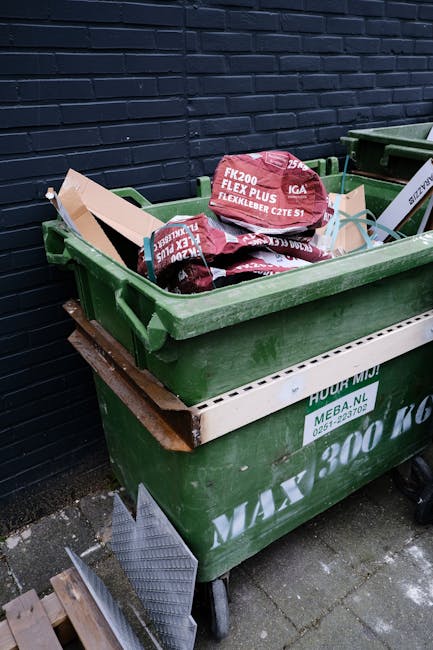
Why Eaton Square flat rubbish clearance before and after case study Matters
Eaton Square flats are not the kind of places where a messy clear-out can be shrugged off. The setting itself changes the stakes. Shared entrances, polished communal areas, lift etiquette, neighbours who notice everything, and the general expectation of care all mean rubbish clearance has to be handled neatly from start to finish.
A before-and-after case study matters because it shows more than a tidy result. It shows the process behind the result. In other words, the value is not just "the flat looked better after"; it is the practical evidence that the clearance was planned around access, sorting, disposal, and respect for the building. That is particularly relevant in premium central London properties where presentation can affect viewings, valuations, and handovers.
There is also a reassurance factor. People often think flat clearance means disruption, but a good job is usually quieter and more controlled than expected. Bags are removed methodically, furniture is protected on the way out, and recyclable items are separated rather than bundled into one big mixed load. Simple enough, but not always done well.
For readers thinking about end-of-tenancy handovers, refurbishment prep, or just clearing years of stored items, it can also be useful to compare the broader approach to house clearance in Belgravia and furniture disposal, because flats often contain a mix of both.
How Eaton Square flat rubbish clearance before and after case study Works
A proper flat clearance usually begins with assessment. That might sound obvious, but it prevents a lot of pain later. The team looks at what needs to go, what can be reused or recycled, how the access works, and whether any items are bulky, awkward, fragile, or likely to need two-person handling.
From there, the job is usually broken into stages:
- Initial review: identify items, access points, parking or loading constraints, and any risks inside the property.
- Sorting: separate general waste, furniture, recyclable materials, and anything requiring special handling.
- Careful removal: move items out in a controlled sequence so hallways and communal areas stay clear.
- Final sweep: remove loose debris, check corners, and make sure the flat is left in presentable condition.
That sequence sounds straightforward, but the difference is in the details. In a flat on Eaton Square, the route out matters as much as the items themselves. If a clearance crew rushes, it can lead to scuffs, blocked corridors, or avoidable noise. If they work systematically, the flat can go from cluttered to clean in a surprisingly short time. A bit like resetting a room after a long winter, though without the charm of finding a forgotten scarf behind the sofa.
In many cases, people also want same-day or next-day support. If speed is part of the brief, it is worth reading Belgravia same-day rubbish removal SW1X insider tips before deciding how quickly to book.
Key Benefits and Practical Advantages
The obvious benefit is visual. The flat looks better. But the practical upside goes much further than that.
- Better presentation: A clear flat feels larger, brighter, and easier to inspect.
- Faster turnaround: Empty spaces are easier to clean, decorate, repair, or market.
- Less stress: You do not need to organise vehicle hire, loading, disposal, and lifting yourself.
- Reduced risk of damage: Professional handling helps protect walls, floors, and shared areas.
- Better sorting: Reusable and recyclable items can be separated rather than treated as one mixed pile.
- More accurate planning: A careful clearance reveals what actually remains in the flat, which is useful before sale or renovation.
There is also a psychological benefit that people often underestimate. Clutter changes how a room feels. You notice it when you walk in. The corner with three chairs nobody uses. The old boxes. The half-finished DIY materials. Once those are gone, the space feels ordered again, and the next decision becomes easier. That can be a relief, honestly.
For clients who care about responsible disposal, the environmental side matters too. A reputable service should prioritise reuse and recycling where suitable, which is one reason many people look at recycling and sustainability before they choose a provider.
Who This Is For and When It Makes Sense
This kind of clearance is for more people than you might think. Eaton Square flats are often used, lived in, renovated, let, inherited, or prepared for sale. Each scenario changes the brief a little, but the core need is the same: remove unwanted items cleanly and without fuss.
It makes particular sense if you are:
- preparing a flat for viewings or photography
- clearing after tenants vacate
- dealing with old furniture, mixed junk, or accumulated storage clutter
- making space before refurbishment or interior design work
- coordinating an estate clearance or probate-related emptying
- trying to avoid the hassle of lifting, transport, and disposal yourself
Sometimes the trigger is simply time. You can live around clutter for months, then one Thursday morning you realise it is getting in the way of everything: cleaning, packing, painting, even thinking clearly. That is usually the moment people stop tolerating it and call in help.
If you are still weighing up whether professional support is worthwhile, it may help to compare practical needs against the wider local offer, including rubbish clearance in Belgravia and waste removal.
Step-by-Step Guidance
Here is a clear, no-nonsense way to approach an Eaton Square flat clearance.
- Walk the property first. Make a room-by-room list. Separate what stays, what goes, and what needs extra care.
- Identify bulky items early. Sofas, wardrobes, mattresses, white goods, and shelving need planning before the team arrives.
- Check access. Lifts, staircases, narrow hallways, entry codes, and parking/loading arrangements all affect timing.
- Decide what should be recycled or donated. Not everything needs to be treated as waste if it is still usable.
- Protect finishes. Floors, corners, and door frames should be covered or handled with care during removal.
- Clear in a logical order. Start with loose waste, then furniture, then remaining smaller items, then final sweep-up.
- Do a final inspection. Check cupboards, behind doors, under beds, and inside utility spaces.
A good trick is to take a quick set of "before" photos, even if the clearance is not a formal case study. It helps you compare the result afterwards, but it also gives you a record of what was there. Handy, and occasionally necessary.
If you want to avoid quotation surprises while planning the job, read how to avoid hidden charges with Belgravia rubbish collection quotes. It is a small step that can save a lot of awkwardness later.
Expert Tips for Better Results
In our experience, the best clearances are not the ones that move fastest. They are the ones that are easiest to control.
Start with the awkward items. If there is a heavy wardrobe, a broken exercise bike, or a mattress wedged in a small bedroom, deal with that in the plan first. Once awkward pieces are gone, everything else becomes simpler.
Leave a clear route out of the flat. It sounds basic, but some of the biggest delays happen because the corridor becomes a staging area. That is how jobs feel chaotic, and nobody wants that.
Think in categories, not just rooms. For example, "paperwork," "small electricals," "soft furnishings," and "broken furniture" are more useful categories than "living room stuff" when time is tight.
Use the photos and the lift schedule to your advantage. If the building is busy, a narrow window for loading can make the difference between a smooth clearance and a frustrating one. Morning jobs are often calmer; late-day jobs can be more awkward because communal traffic picks up.
Do not assume every item is rubbish. Some things can be reused, some can be recycled, and some need special treatment. That judgement is what separates tidy professionals from people just shifting mess around.
And yes, a slightly odd one, but true: keep a pack of basic bags, labels, and tape nearby. It feels unglamorous, yet it saves time every single time.
Common Mistakes to Avoid
Most clearance problems are preventable. The same few mistakes come up again and again.
- Not measuring access properly: A sofa that fits in the flat may still be difficult to move out.
- Leaving sorting until the end: Last-minute decisions slow the job down and increase the chance of missed items.
- Overloading the hallway: That is messy, unsafe, and annoying for everyone nearby.
- Ignoring fragile items: Mirrors, glass tables, and decorative pieces need more than just a grab-and-go approach.
- Choosing the cheapest option without checking what is included: A low headline price can be misleading if disposal, labour, or access work are extra.
- Forgetting the final sweep: Small debris, fixings, and packaging scraps are easy to miss but make the place feel unfinished.
A common one in premium flats is underestimating how long the final 10% takes. The bulk is easy. It is the leftover clutter in cupboards, corners, under shelving, and behind appliances that takes patience. That little bit can test everyone's mood, to be fair.
Tools, Resources and Recommendations
You do not need a van-load of kit to organise a clearance, but a few sensible tools help a lot.
- Room-by-room inventory: A simple notes app or paper checklist is enough.
- Labels or coloured tape: Helpful for separating keep, remove, recycle, and donate piles.
- Protective coverings: Floor protection, blankets, and corner guards reduce accidental marks.
- Basic cleaning supplies: Dustpan, cloths, bin bags, and surface cleaner for the final pass.
- Photo log: Useful for handovers, records, and personal reassurance.
As a planning resource, it can also help to review the wider service pages on loft clearance, garage clearance, and junk removal, because many flat clearances include items that originated in storage rather than main living areas.
If the job is part of a wider move or office-style relocation pattern, the broader services overview can also help you match the right service to the right type of waste. No drama, just a better fit.
Law, Compliance, Standards, or Best Practice
When rubbish clearance involves a London flat, best practice matters even when the job seems simple. Waste should be handled responsibly, and the provider should be able to explain where different materials go and how they are managed. In practical terms, that means sorting, safe lifting, suitable transport, and lawful disposal routes.
For customers, the safest approach is to work with a company that communicates clearly about safety, insurance, and disposal standards. If items are being removed from a shared building, care for communal spaces is not optional; it is part of the job. You want a crew that thinks about door frames, lift panels, and neighbours, not just the truck.
There are also data and payment considerations for many clients, especially if access codes, invoices, or deposit details are involved. It is sensible to understand how a provider handles sensitive information and payments. You can review the company's privacy policy, payment and security, and insurance and safety information before booking.
Best practice also means being clear about what is and is not included. That is one reason people often check terms and conditions and pricing and quotes before confirming a job. A transparent quote is not a luxury. It is the baseline.
Options, Methods, or Comparison Table
There is more than one way to clear a flat. The right choice depends on speed, item type, access, and how hands-on you want to be.
| Method | Best for | Pros | Trade-offs |
|---|---|---|---|
| Professional flat clearance | Busy owners, landlords, agents, and time-sensitive handovers | Fast, organised, less lifting, usually better for access and safety | Cost depends on volume, labour, and access |
| Skip hire | Longer projects with steady waste generation | Handy for ongoing renovation waste | Needs space, loading effort, and careful planning in central London |
| Self-clearance | Very small jobs with time to spare | More control over timing | Heavy lifting, transport hassle, and disposal admin fall on you |
| Mixed approach | Medium-sized clearances with some items kept or reused | Flexible and practical | Requires good organisation and a clear plan |
For most Eaton Square flat clearances, the professional approach is the easiest to manage, especially if access is tight or the property is being prepared for a quick turnaround. Skip hire can still make sense in some refurbishment cases, but it is not always the neatest fit for a flat in a prestigious square. Sometimes the simplest answer is the best one.
Case Study or Real-World Example
Here is a realistic example based on the type of job commonly seen in Eaton Square, without inventing any specific private details.
A two-bedroom flat had accumulated a mix of unwanted furniture, cardboard storage, old small appliances, and general household clutter after a tenant move-out and a short period of vacancy. The owner needed the flat cleared before cleaning, minor repairs, and photography for the next stage.
Before: one bedroom was effectively used as storage, the sitting room contained a bulky sofa, broken side tables, and several bags of mixed items, and the hallway was awkwardly narrow because boxes had been stacked there. The property felt smaller than it actually was. You could barely walk through without side-stepping something.
Process: items were sorted into reusable, recyclable, and disposal piles. Bulky furniture was removed first to open up the route. Smaller loose items were cleared room by room. The final sweep dealt with dust, packaging scraps, and the odd forgotten item tucked behind furniture.
After: the flat looked brighter, easier to clean, and much more neutral. The rooms read properly again. That alone made the next stage simpler, whether the goal was refurbishment or marketing.
What changed most: not just the appearance, but the feeling of the space. Once the clutter went, the flat stopped feeling "stuck". That can be a powerful shift, especially in a property where presentation matters.
Expert summary: The best clearance result is not just emptier rooms. It is a calm, well-planned reset that leaves the flat ready for cleaning, viewings, repair work, or a handover without last-minute scrambling.
Practical Checklist
Use this checklist before the clearance begins.
- Confirm what stays and what goes
- Photograph the flat in its current condition
- List bulky items separately
- Check lift, stair, and loading access
- Protect floors and vulnerable corners
- Set aside valuables, documents, and personal items
- Decide what should be recycled or reused
- Clarify timing and entry arrangements
- Check pricing and quote inclusions
- Plan a final sweep and post-clearance clean
Quick takeaway: if the flat is ready for access and the items are pre-sorted, the whole job tends to feel lighter, faster, and far less chaotic. That small bit of prep pays off immediately.
Conclusion
An Eaton Square flat rubbish clearance before and after case study is useful because it shows the real value behind a good clearance job. Yes, the visual transformation matters. But the deeper benefit is the order it creates: safer access, smoother handover, easier cleaning, and a property that is ready for whatever happens next.
If you are planning a clearance in a flat where presentation, care, and timing all matter, the best approach is to plan early, sort sensibly, and choose a method that suits the building as well as the rubbish. That way, the before-and-after difference feels genuinely worthwhile rather than rushed. And that, in a place like Eaton Square, is usually what people want most.
Get a free quote today and see how much you can save.


 Tipper Van - Rubbish Removal and Junk Disposal Prices in Belgravia, SW1X
 Luton Van - Rubbish Removal and Junk Disposal Prices in Belgravia, SW1X