Belgrave Square venue waste removal for events and receptions
Posted on 27/08/2026
Planning an elegant reception in Belgrave Square is one thing. Clearing the aftermath is another. Anyone who has hosted a drinks party, brand launch, wedding reception, or corporate dinner in this part of London knows the same truth: the event feels polished only if the clean-up is just as controlled. That is where Belgrave Square venue waste removal for events and receptions becomes essential. It keeps the venue presentable, protects staff workflows, and helps you avoid that slightly awkward moment when empty bottles, packaging, floral off-cuts, and catering waste start taking over the room.
This guide breaks down how event waste clearance works in practice, what to plan for, the most common mistakes, and how to choose the right approach for a Belgrave Square venue. If you want the short version, think of it like this: the best waste removal service is the one you barely notice on the night because everything disappears at the right moment, in the right way, with no fuss. Sounds simple. In real life, not always.
Why Belgrave Square venue waste removal for events and receptions Matters
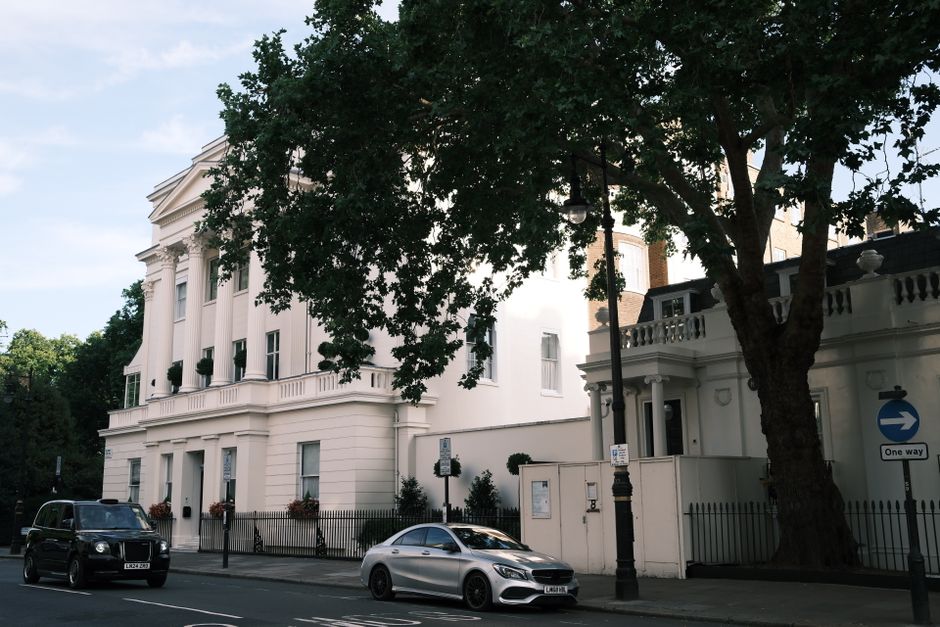
Belgrave Square events often run in settings where presentation matters as much as timing. These venues may be historic, high-value, shared, or tightly scheduled, which means waste cannot simply be left in a back corridor and forgotten about. It has to be removed neatly, promptly, and with attention to access, noise, and building rules.
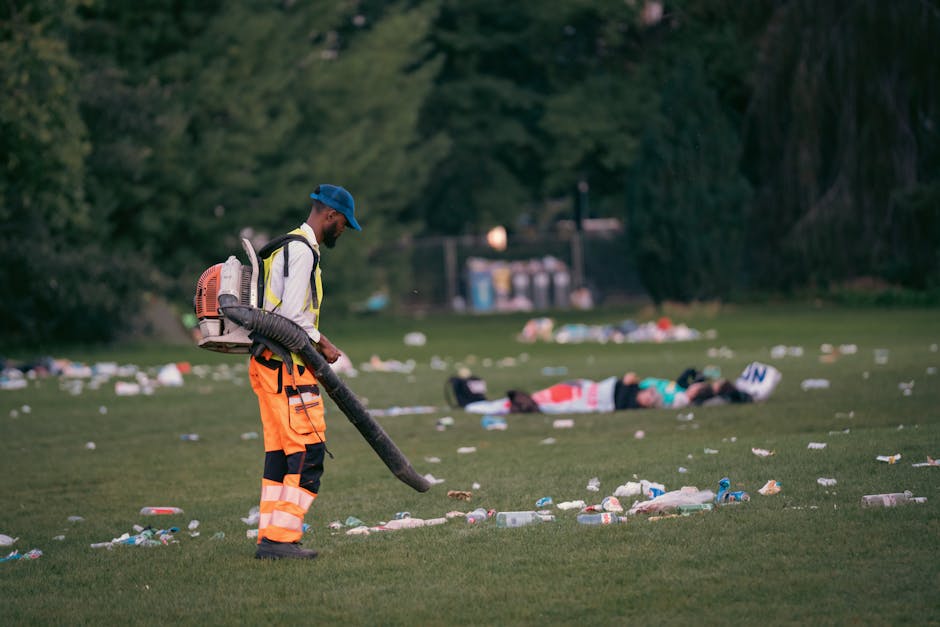
There is also the practical side. After a reception, waste tends to appear in layers rather than piles. Glassware turns into mixed recyclables. Caterers leave cardboard, food packaging, cling film, and disposable service items. Florists generate green waste and water-soaked wrapping. Furniture and decor hire companies may leave crates, ties, protective covers, and sometimes damaged pieces that need separate handling. If waste is not sorted and removed properly, it can affect the next morning's venue handover and, in some cases, create extra charges from the venue or contractor.
In Belgravia, standards are high. Guests notice the details, and venue managers do too. That is why a proper event waste plan matters before the first guest arrives, not after the last glass is collected. To be fair, most problems happen because people assume the clean-up will sort itself out. It usually does not.
How Belgrave Square venue waste removal for events and receptions Works
The process is usually straightforward, but it works best when it is planned around the event schedule rather than bolted on at the end.
First, the waste profile is assessed. That means working out what kind of waste the event will generate: general rubbish, glass, mixed dry recycling, catering waste, floral waste, packaging, temporary furniture, or bulky items. A reception with canapes and champagne creates a very different clean-up from a formal dinner with hired table settings, for example.
Next comes timing. Some venues prefer a pre-event setup where empty packaging and delivery waste are cleared before guests arrive. Others need staged collections during the event, especially if there are restricted storage areas. Then there is the final collection after service ends, often late at night or early the next morning. If the venue has limited access or quiet-hours rules, this timing needs careful coordination.
Collection itself may involve manual loading, lifting bulky items, separating recyclable materials, and transporting waste for processing. If the job is well organised, the team arrives with the right vehicle size, enough labour, and a clear plan for what is being taken away. That avoids repeat trips and awkward delays outside the venue entrance.
For many organisers, the smartest approach is to use a broader waste removal service in Belgravia that can handle both standard event rubbish and bulky clearances if something unexpected crops up. If you are dealing with furniture, staging, or display items as well, services such as furniture disposal in Belgravia can be especially useful. That is often the difference between a tidy exit and a messy one.
Key Benefits and Practical Advantages
A good venue waste removal plan does more than keep things tidy. It protects the event experience itself.
- Cleaner guest areas: bins do not overflow, tables stay presentable, and service spaces remain organised.
- Faster venue turnaround: the space is restored more quickly for the next booking or the next morning's inspection.
- Less staff pressure: venue teams and caterers can focus on service instead of wrestling with bagged waste at midnight.
- Better recycling outcomes: separated waste is easier to route correctly, especially when glass, cardboard, and food waste are handled separately.
- Reduced risk of complaints: no one wants a delivery bay blocked by sacks or a corridor lined with boxes after a formal reception.
- Safer working conditions: fewer trip hazards, fewer broken bottles left behind, and less manual handling chaos.
There is also a reputational advantage. In premium venues, good operations look effortless. Guests may never think about waste removal, but they absolutely notice when it is absent. A silent, well-run clean-up reflects well on the organiser, the caterer, and the venue. It tells people the event was properly managed from start to finish.
Who This Is For and When It Makes Sense
Belgrave Square venue waste removal for events and receptions makes sense for a wide range of people, not just large event planners. In fact, smaller receptions can be just as demanding because the waste is often concentrated into a short time window.
It is useful for:
- wedding planners managing evening receptions and next-day venue resets;
- corporate hosts arranging product launches, client receptions, or networking evenings;
- private hosts organising milestone parties in hire spaces or townhouses;
- venue managers coordinating between caterers, florists, decorators, and security teams;
- event caterers who need a reliable post-service clearance partner;
- production teams removing display materials, temporary fixtures, or branded assets after an activation.
It also makes sense when the venue has narrow access, limited loading windows, or strict building rules. Belgrave Square and the surrounding Belgravia area are not the kind of places where you can improvise with a pile of sacks by the front door. Let's face it, that would look terrible and probably cause friction with the venue team.
If you are still in the planning stage, it can help to look at local context too. Articles such as best event spaces in Belgravia can give a better feel for the sort of venues and event styles common in the area. And for a broader sense of the neighbourhood, the charms of Belgravia London is a useful read.
Step-by-Step Guidance
Here is a practical way to organise event waste removal without last-minute panic.
- Map the event waste types. List likely waste streams: bottles, cans, food waste, napkins, packaging, floral waste, table decor, and any bulky hire items.
- Check venue rules early. Ask about loading access, lift use, quiet hours, bin store locations, and whether waste can be left in shared areas.
- Assign responsibility. Decide who clears what: venue staff, caterers, florists, or an external clearance team. If no one owns it, it tends to drift.
- Plan collection timing. Build in a pre-event collection, a during-event check, or a post-event sweep depending on scale.
- Separate recyclables where possible. Glass and cardboard are easier to manage when they are not mixed with food waste and soft packaging.
- Keep bulky items visible. If there are hire crates, broken display pieces, or old furniture to remove, mark them clearly so they do not get missed.
- Confirm disposal arrangements. Make sure the removal team knows what is being collected and whether any items need special handling.
- Do a final sweep. Before handing back the venue, check corners, cloakrooms, service rooms, and outside loading points.
A useful rule of thumb: if the item might create confusion on the night, label it before the guests arrive. A small bit of prep saves a lot of shuffling around later.
Expert Tips for Better Results
After enough events, a few patterns become obvious.
1. Overestimate waste volume, not underestimate it. Receptions generate more packaging and mixed rubbish than most organisers expect, especially once ice buckets, floral wraps, and catering disposables are added. Ordering too little capacity is a common snag.
2. Use bins or sacks by zone. Put separate bags near bars, catering prep areas, cloakrooms, and floral workstations. People are more likely to use them properly if the system is close at hand.
3. Keep wet waste apart. A soggy mix of food scraps and cardboard is harder to handle, less tidy, and not ideal for recycling. Separate it before it becomes a nuisance.
4. Build in a discreet buffer. If the event ends at 11 p.m., do not assume the final room clear will happen in ten minutes. Realistically, it may take longer. A little slack avoids stress.
5. Brief suppliers on departure order. Caterers, florists, furniture hires, and AV crews should know when to leave and what they are taking. Otherwise everyone ends up waiting in the same narrow back corridor. Not fun.
If you need same-day support for an unexpected spillover of rubbish, there is practical guidance in Belgravia same-day rubbish removal tips. And if you want to avoid awkward surprises in the quote stage, how to avoid hidden charges with rubbish collection quotes is worth a read.
Common Mistakes to Avoid
Most event waste issues come from a handful of avoidable mistakes.
- Leaving waste planning until the event day. This is the big one. By then, access, labour, and timing decisions are much harder.
- Assuming the venue handles everything. Some venues manage only part of the waste process. Others expect organisers to take the lead.
- Mixing waste streams together. Once everything is in one pile, recovery and recycling become more complicated.
- Forgetting bulky non-rubbish items. Crates, broken props, leftover furniture, and display materials are often the last things remembered, which is a bit backwards.
- Not checking access limits. A vehicle may be too large, or loading may need to happen at a very specific time.
- Under-briefing staff. If bartenders, caterers, and venue hosts do not know the plan, bags can accumulate in odd places.
One subtle mistake is treating waste removal as a back-of-house issue only. In a Belgrave Square setting, the back-of-house area is often just as sensitive as the guest room. Hallways are narrow, service doors are shared, and everyone wants minimal disruption. So the clean-up needs to be as polished as the event itself.
Tools, Resources and Recommendations
You do not need a complicated system, but a few practical tools make a real difference.
- Colour-coded bags or labels: useful for separating glass, cardboard, mixed rubbish, and food waste.
- Stackable crates: handy for bottles, tableware, or reusable decor items that need to be collected separately.
- Clear signage: especially useful for staff areas and temporary service stations during receptions.
- Event run sheet: a timed schedule for waste checks, supplier exit times, and final collection.
- Photo notes: a quick visual record of bulky items or awkward access points before the event begins.
For businesses or regular organisers, it can also help to review broader service information on services overview and check how disposal arrangements are usually handled across different job types. If the event includes old furniture, display items, or temporary fittings, junk removal in Belgravia can be a flexible complement to standard rubbish collection. For larger or more general clear-outs, rubbish clearance in Belgravia is often the simplest route.
And if your event is connected to an office launch, staff party, or hospitality function hosted in a business space, office clearance in Belgravia can sometimes be relevant as well. The point is not to overcomplicate things. The point is to match the service to the mess, which sounds obvious until midnight arrives.
Law, Compliance, Standards, or Best Practice
For event waste, compliance is mostly about duty of care, sensible segregation, safe handling, and using reputable waste carriers. In the UK, organisers and venues should take waste management seriously rather than treating it as an afterthought. The exact responsibilities can vary depending on the venue agreement, the type of waste, and who created it, so it is wise to confirm roles in advance.
Best practice usually includes:
- keeping waste out of guest circulation routes;
- separating recyclable items where practical;
- handling broken glass safely;
- avoiding overfilled bags that split during transport;
- ensuring access routes remain clear for emergency or service use;
- using insured, safety-conscious operators for lifting and transport.
It is also sensible to check venue documentation and service agreements carefully. If you need reassurance around operational standards, the site pages on insurance and safety, terms and conditions, and recycling and sustainability can help you understand how a professional provider frames its work. For policy pages and operational trust signals, about us and accessibility statement are also useful background reading.
If the waste includes mixed materials, fragile items, or anything potentially hazardous, do not guess. Ask for clarification first. That small pause can save a very annoying cleanup later.
Options, Methods, or Comparison Table
Different event waste situations call for different methods. Here is a simple comparison to help with planning.
| Method | Best for | Strengths | Watch-outs |
|---|---|---|---|
| On-the-night manned clearance | Busy receptions, guest-facing venues, high turnover events | Keeps areas tidy throughout the event; reduces overflow | Needs planning, staff coordination, and clear access |
| Post-event bulk collection | Events where waste is generated mostly at the end | Simple to schedule; useful for a full reset | Waste may build up during the event if no interim checks happen |
| Split recycling and general waste collection | Eco-conscious organisers, larger receptions, corporate events | Improves sorting and can reduce contamination | Requires more space and clearer labelling |
| Bulky-item add-on clearance | Events with hired furniture, staging, or decor returns | Handy when rubbish is not the only issue | Needs a vehicle and team able to handle larger pieces |
If you are unsure which route fits, a flexible provider that can adapt between rubbish collection in Belgravia and more tailored event clearance is often the safest bet. For one-off receptions, flexibility matters more than fancy terminology.
Case Study or Real-World Example
Imagine a private reception in a Belgrave Square venue on a Thursday evening. The guest list is modest, but the setup is detailed: florals, branded welcome signage, glassware, canapes, table decorations, and a hired bar unit. At first glance, it feels manageable.
Then the evening ends. Empty bottles are everywhere. Cardboard from deliveries has been pushed into a side room. Floral wrapping is damp. The caterers are ready to leave. The venue team needs the main room turned around for a next-day booking. If the waste plan was vague, the clean-up becomes a small scramble. Not dramatic, but enough to create pressure.
Now compare that with a planned approach. Waste bags are labelled in advance. Glass is kept separate from food waste. A collection time is agreed before the event. Bulky packaging is removed in stages. The last sweep catches the forgotten bits: tissue, tape, tags, and a stray crate under the table. By the time the lights go down, the venue is already close to handover-ready. That is what good event waste removal looks like. Calm. Unremarkable. Exactly the point.
It is a tiny operational detail, really, but it changes the whole feel of the evening.
Practical Checklist
Use this checklist before the event starts and again at the end.
- Confirm who is responsible for waste at each stage.
- Ask the venue about access, timings, and loading restrictions.
- Identify likely waste types: glass, food, cardboard, florals, packaging, bulky items.
- Set up labelled waste points in catering and service areas.
- Brief caterers, florists, and hire teams on the collection plan.
- Keep corridors and exits free from sacks and loose materials.
- Separate recyclable items where practical.
- Schedule the final clearance in line with venue handover rules.
- Inspect quiet corners, storage rooms, and loading bays before sign-off.
- Keep a contact number for the waste provider or organiser lead on hand.
Quick sanity check: if the venue looked immaculate before the reception, it should look nearly as good after it. That is the standard worth aiming for.
Get a free quote today and see how much you can save.
Conclusion
Belgrave Square venue waste removal for events and receptions is not just a tidy-up task. It is part of the event itself. The best receptions feel seamless because the rubbish never gets a chance to interfere with the guest experience, the venue handover, or the organiser's sanity. And that, honestly, is worth planning properly.
Whether you are arranging a small private dinner or a high-profile reception, the same principles apply: know the waste types, respect venue rules, keep access clear, and choose a collection approach that matches the pace of the event. Get those basics right and the rest becomes far easier. A good clean-up leaves no drama behind. Just a clear room, a clean floor, and the quiet relief of a job well done.



 Tipper Van - Rubbish Removal and Junk Disposal Prices in Belgravia, SW1X
 Luton Van - Rubbish Removal and Junk Disposal Prices in Belgravia, SW1X