Avoid hidden charges with Belgravia rubbish collection quotes
Posted on 17/07/2026
Getting a rubbish quote should feel straightforward, not like reading the fine print on a train ticket at 8:15 on a wet Tuesday. Yet hidden charges still catch people out, especially when they need fast help, have bulky items, or are comparing a few local companies at once. If you want to avoid hidden charges with Belgravia rubbish collection quotes, the real trick is knowing what should be included, what can be added later, and what questions to ask before anyone turns up at the kerb.
This guide walks through the practical side of rubbish pricing in Belgravia: how quotes work, where surprise costs usually come from, how to compare providers without getting lost in jargon, and which checks matter most for homes, offices, gardens, and clearance jobs. You will also find a checklist, a simple comparison table, and a few realistic examples from the sort of jobs people in SW1X actually need help with.
If you are planning a larger clearance, it can also help to understand the wider service picture first by looking at the services overview and the company's pricing and quotes approach before you book anything.
Contents
- Why hidden charges matter
- How rubbish collection quotes work
- Key benefits of a transparent quote
- Who this is for
- Step-by-step guidance
- Expert tips for better results
- Common mistakes to avoid
- Tools, resources and recommendations
- Law, compliance and best practice
- Options and comparison table
- Case study example
- Practical checklist
- Conclusion
- Frequently asked questions
Why Avoid hidden charges with Belgravia rubbish collection quotes Matters
Hidden charges are not just annoying. They can change the whole decision. A quote that looks competitive at first can quickly become expensive once extras are added for stairs, heavy lifting, restricted access, parking delays, mixed waste, or disposal of awkward items. In a place like Belgravia, where properties can have narrow entrances, controlled access, basement rooms, mews layouts, and limited stopping space, those details matter a lot.
Why does this hit harder locally? Because rubbish collection is often arranged around a deadline: a tenancy changeover, a sale, an office refresh, a garden tidy-up, or a builder finishing a job. When time is tight, people tend to focus on speed and miss the cost detail. To be fair, that is exactly when surprise fees tend to appear.
A transparent quote protects you in three ways. First, it helps you budget properly. Second, it reduces the chance of awkward conversations on arrival. Third, it gives you confidence that the provider understands the job, not just the postcode. That last point is underrated. A good quote is often a sign of a good process.
Expert takeaway: the cheapest quote is not always the best value. The most reliable quote is the one that explains what is included, what may change, and under what conditions the final price can move.
For readers comparing local providers, the company's own rubbish collection in Belgravia page can help you understand the service scope before you request a price.
How Avoid hidden charges with Belgravia rubbish collection quotes Works
The process is usually simple, but the simplicity can be deceptive. Most rubbish collection quotes start with a description of what needs removing, then factor in volume, weight, labour, access, and disposal type. Some companies give an estimate from photos, while others confirm the price after seeing the load in person. Both approaches can work, but the quote must be clear about its assumptions.
A proper quote normally covers the basics:
- What is being removed - general rubbish, furniture, office waste, green waste, builder's waste, or mixed items.
- How much there is - measured by bags, cubic yards, van load, or a rough visual estimate.
- How hard it is to remove - stairs, lifts, distance to vehicle, disassembly, or limited access.
- Where it goes - reuse, recycling, donation where possible, or disposal at a licensed facility.
- Any exclusions - hazardous items, extra-heavy materials, special handling, or items needing separate treatment.
The hidden charge problem starts when one or more of those items is left vague. For example, a quote may say "from GBPX" without saying whether the figure includes labour, congestion-related delays, or disposal fees. That can be fair enough as a starting point, but not as a final number. A quote should be a conversation, not a guessing game.
If you are dealing with a specific clearance type, it helps to compare the quote against the most relevant service page, such as house clearance in Belgravia, office clearance, or builders waste clearance. Different jobs carry different pricing logic. A sofa and a broken bathroom suite are not priced the same. Obviously.
Key Benefits and Practical Advantages
The main benefit of a clear quote is peace of mind. But there are several practical advantages too, and they are worth spelling out.
- Better budgeting: you know what to expect before the team arrives.
- Fewer disputes: everyone agrees on the scope in advance.
- Faster decisions: you can compare providers on like-for-like terms.
- Less stress on the day: no one is scrambling for extra payment while a van waits outside.
- More suitable service choice: you can decide between a one-off collection, a clearance job, or something more specialist.
There is also a quiet benefit people often miss: a transparent quote tends to encourage better planning on your side. Once you know what is and is not included, you can group items together, separate mixed waste, or move things closer to the exit. That can sometimes reduce the final bill. Not always, but often enough to be worth it.
For households that are clearing out a loft, garage, or storage room, the pricing conversation becomes easier if you already know the service type. The pages for loft clearance and garage clearance are useful reference points because they reflect the sort of access and lifting issues that can affect the quote.
Who This Is For and When It Makes Sense
This matters to almost anyone booking rubbish removal in Belgravia, but it is especially useful if your job has any moving parts at all. A few examples:
- Homeowners preparing for renovations, sale, or a seasonal clear-out.
- Landlords and managing agents handling end-of-tenancy rubbish or abandoned items.
- Office managers who need desks, packaging, files, and mixed waste cleared without disruption.
- Contractors and trades who need builder's waste removed after a job.
- Residents with awkward access such as basement flats, shared hallways, or limited parking.
It also makes sense if you are deciding between a rubbish collection service and a skip. In some streets and properties, a skip can be practical; in others, it becomes a headache because of permits, space, or access. If you are still weighing that up, the skip hire in Belgravia page is worth comparing with the collection option.
Truth be told, the people most likely to be caught by hidden charges are the people who are busy, not careless. They send a quick photo, accept the first number, and assume the rest will be fine. Then the team arrives and says, "Actually, there's a bit more to this." That is the moment you want to avoid.
Step-by-Step Guidance
Here is a simple way to keep the quote honest and useful.
- List everything you want removed. Be specific. "Old furniture" is less helpful than "two wardrobes, one mattress, eight bags, and a broken table."
- Note access details. Mention stairs, basement levels, lifts, narrow hallways, parking restrictions, and whether items need carrying far.
- Separate special items. Paint, fridges, rubble, soil, electronics, and large appliances may need different handling.
- Ask what the quote includes. Labour, loading, disposal, recycling, and VAT should all be clear, where applicable.
- Ask what could increase the price. This is the big one. If extra time, extra volume, or unknown items could affect cost, get that stated up front.
- Request the basis of the quote. Is it fixed, estimated, or subject to an on-site review?
- Check payment terms. Know whether payment is taken on completion, in advance, or partly beforehand. The site's payment and security information can be a useful reference.
- Keep the written confirmation. A text or email summary can save a lot of bother later. Honestly, it is one of those tiny admin jobs that pays off.
If the job involves recycling, donations, or sustainability targets, you may also want to ask how the waste stream is handled. That is especially relevant for mixed clearances and office clear-outs. The company's recycling and sustainability page gives a sense of how that side of the service is approached.
Expert Tips for Better Results
There are a few habits that make a real difference when comparing quotes.
1. Send good photos. Take wide shots, then closer shots of the awkward items. Good photos reduce guesswork. Poor photos, on the other hand, can make even a decent company cautious.
2. Mention item weight if you know it. A bag of paper is not the same as a bag of rubble. A cast-iron bath is another story altogether.
3. Ask for a ceiling price. If the company cannot give a fixed price, ask what the maximum would be under the conditions you have described.
4. Be clear about timing. Same-day or urgent collection can cost more. That is normal. What is not normal is finding out halfway through the process.
5. Compare the same scope every time. If one provider quotes for disposal only and another includes labour plus waiting time, the lower number may be misleading.
6. Read the small print, but do it calmly. You do not need to become a contract lawyer. Just check the bits about access, exclusions, and final price changes.
A small human tip: when you speak to the team, notice whether they ask sensible follow-up questions. A good provider usually wants to understand the job properly. If they do not ask anything at all, that can be a bit of a warning sign.

Common Mistakes to Avoid
Most problems come from a handful of predictable mistakes.
- Accepting a vague "from" price without asking what could change it.
- Under-describing the waste and assuming the collector will "just deal with it."
- Forgetting access issues like stairs, parking, or distance from the property to the vehicle.
- Mixing special waste with general waste and expecting a standard price to cover everything.
- Assuming disposal is free or that recycling automatically lowers the quote.
- Not confirming VAT or additional charges before booking.
- Comparing quotes on speed alone and ignoring what is actually included.
One more thing people sometimes miss: if you are clearing several rooms, do not describe the job as if everything is the same type of waste. A loft full of boxed items, an office with old IT kit, and a garden pile all behave differently in price terms. Mixing them together can make the first quote look cheap and the final invoice look... less charming.
Tools, Resources and Recommendations
You do not need fancy tools to compare rubbish collection quotes well. A mobile phone, a notebook, and a little structure are enough.
- Photo set: take 4 to 6 clear pictures from different angles.
- Simple item list: count bags, large items, and anything unusual.
- Room-by-room note: useful for house clearances and office jobs.
- Access note: stair count, lift availability, parking concerns, gate codes, and any restricted entry.
- Quote comparison grid: write down what each provider includes, not just the headline price.
For service-specific planning, the most helpful pages are often the ones that match your actual job type. For example, furniture disposal is useful if you only have bulky household pieces, while rubbish clearance can suit general mixed loads. If you are dealing with a more targeted clean-up, such as garden waste removal, the description of green waste handling is especially relevant.
And if the work is tied to a bigger change, such as moving out, downsizing, or preparing a property for market, you may find it useful to read the local context pieces on selling homes in Belgravia or investing wisely in Belgravia property. Those topics are different, yes, but they often sit next to a clearance project in real life.
Law, Compliance, Standards, or Best Practice
When rubbish is being collected, the main issue is not just price. It is also whether the waste is handled responsibly and the service is set up in a sensible, lawful way. Without getting bogged down in legal jargon, there are a few good-practice points to keep in mind.
First, any legitimate provider should be able to explain how waste is handled and where it goes in broad terms. Second, if a job includes items that could be unsafe or require special treatment, those items should be identified before collection. Third, insurance and safety matter. If workers are carrying items through shared spaces, down stairs, or into tight areas, both the method and the liability side should be considered.
It is also sensible to check the company's own policies where relevant, including insurance and safety, terms and conditions, and privacy policy. Those pages do not tell you everything about the price, but they do help you understand how the business is run and how your information is handled.
In practice, the best standard is simple: the quote should reflect the actual job, the company should be clear about exclusions, and you should never feel rushed into agreeing to a price you do not understand.
Options, Methods, or Comparison Table
When people say "rubbish removal," they often mean one of several different approaches. Comparing them properly can stop hidden charges before they start.
| Option | Best for | Possible cost traps | What to check |
|---|---|---|---|
| Man-and-van rubbish collection | Small to medium mixed loads, quick removal | Extra labour, waiting time, hard access, unexpected volume | What is included in loading, disposal, and travel |
| Skip hire | Longer projects, ongoing DIY or building work | Permit issues, placement problems, overfilling, longer hire periods | Delivery, collection, hire duration, and permit needs |
| Full clearance service | House, loft, garage, or office clear-outs | Extra rooms, separate waste streams, special items, access complications | Whether labour, sorting, and disposal are all included |
| Specialist removal service | Furniture, builders waste, garden waste, or office items | Non-standard materials, weight, disassembly, restricted access | Item categories accepted and any exclusions |
For many Belgravia homes, a manual collection service is the easiest option because access can be awkward and the job is often done in one visit. For building work, however, a dedicated builders waste clearance service may be a better fit, especially if rubble or heavy debris is involved. The right option is usually the one that fits the waste type, not just the headline price.
Case Study or Real-World Example
Here is a realistic example based on a common Belgravia scenario. A homeowner is preparing a flat for sale and needs to clear two wardrobes, a mattress, several bags of mixed junk, and a few damaged kitchen bits from a top-floor property. The first quote comes back low, but it only covers collection from street level and assumes easy access.
Once the homeowner mentions the stairs, the lack of lift, and the fact that parking is tight outside, the price changes. Not because the company is being awkward, but because the job is now properly described. A second provider asks for photos, notes the access, and confirms what is included in writing. The number is a little higher at first glance, but it is clearer and less likely to shift later.
On the day, that second quote turns out to be better value. The crew arrives on time, loads everything without drama, and there is no debate about extra labour or surprise disposal charges. The homeowner pays what was agreed. Simple. Slightly boring, which is exactly what you want from a rubbish quote.
This kind of scenario comes up often with loft clearance, house clearance, and smaller jobs that turn out to be more complex than they first sounded. The lesson is not that the cheapest quote is bad. It is that the most transparent quote is usually the safer one.
Practical Checklist
Use this before you confirm any quote:
- Have I described every item clearly?
- Have I mentioned stairs, lifts, parking, and access restrictions?
- Do I know whether labour is included?
- Do I know whether disposal fees are included?
- Have I asked about VAT or other additions?
- Have I checked for exclusions or special items?
- Do I know whether the quote is fixed or estimated?
- Have I kept the written confirmation?
- Have I compared like-for-like with another provider?
- Do I understand what happens if the load is bigger than expected?
If you can tick most of those boxes, you are already ahead of many people. And that is not a huge achievement in admin terms, but it really does save headaches.
Quick summary box: The safest rubbish quote is specific, written down, and tied to the actual waste and access conditions. If anything sounds vague, ask again before booking.
Get a free quote today and see how much you can save.
Conclusion
To avoid hidden charges with Belgravia rubbish collection quotes, focus less on the headline number and more on the detail behind it. What is included? What could change it? Does the quote reflect your actual access, your actual waste, and your actual timing? Those are the questions that separate a smooth booking from an expensive surprise.
In Belgravia, where properties and access can be beautifully varied, a good quote is the one that shows the provider has listened. That listening part matters. A lot. If you take your time, compare properly, and ask the awkward little questions up front, you will usually end up with better value and far less stress.
And once it is done, there is a strange relief to seeing a clear hallway, a tidy garden, or an empty room at last. Small thing, maybe. But a good one.
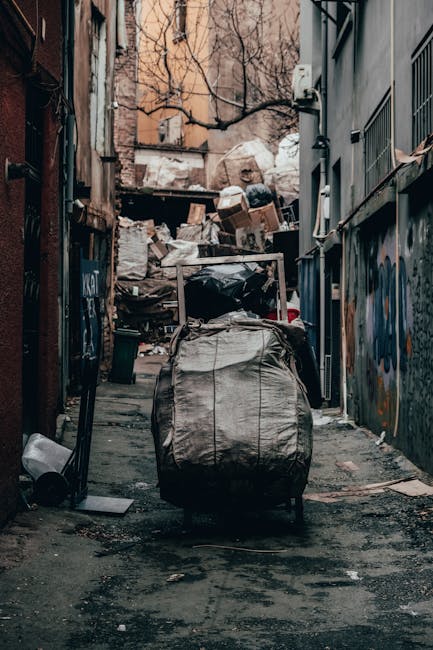


 Tipper Van - Rubbish Removal and Junk Disposal Prices in Belgravia, SW1X
 Luton Van - Rubbish Removal and Junk Disposal Prices in Belgravia, SW1X